- Pain Relief Techniques Through Massage
- Self-Massage Techniques at Home
- Tools for self-massage relief
Effective Tools for Self-Massage Relief
Explore various self-massage tools and techniques for pain relief, perfect for those seeking therapeutic massage options in Del Mar, CA.
Explore the guide
Welcome to the Del Mar Therapeutic Massage Guide, your go-to resource for exploring the world of therapeutic massage and self-care techniques. In our fast-paced lives, stress and muscle tension can accumulate, leaving us in search of effective relief strategies. One of the most accessible and empowering methods for managing discomfort is through self-massage. With the right tools, you can alleviate pain, enhance relaxation, and improve your overall well-being right from the comfort of your home.
This article delves into the various tools for self-massage relief, highlighting their benefits, uses, and how they can seamlessly fit into your daily routine. Whether you’re grappling with tight shoulders from long hours at a desk or simply seeking a way to unwind after a hectic day, understanding how to utilize these tools effectively can make a significant difference. As we guide you through these options, you'll learn about the diverse range of self-massage tools available, from foam rollers to massage balls, each designed to target specific areas of tension. By integrating these simple yet effective tools into your self-care regimen, you empower yourself to take charge of your health and comfort.
So let’s explore how you can enhance your self-massage practice and discover the relief you deserve with the right equipment at your fingertips. Self-massage is an increasingly popular practice that allows individuals to take control of their wellness by alleviating pain and tension at home. As highlighted in the Del Mar Therapeutic Massage Guide, self-massage can serve as a valuable complement to professional therapeutic massage services available in Del Mar, CA. With the growing interest in self-care, many are turning to various tools designed specifically for self-massage relief. These tools not only enhance personal wellness but also cater to specific areas of discomfort. One of the most common and versatile tools for self-massage is the foam roller.
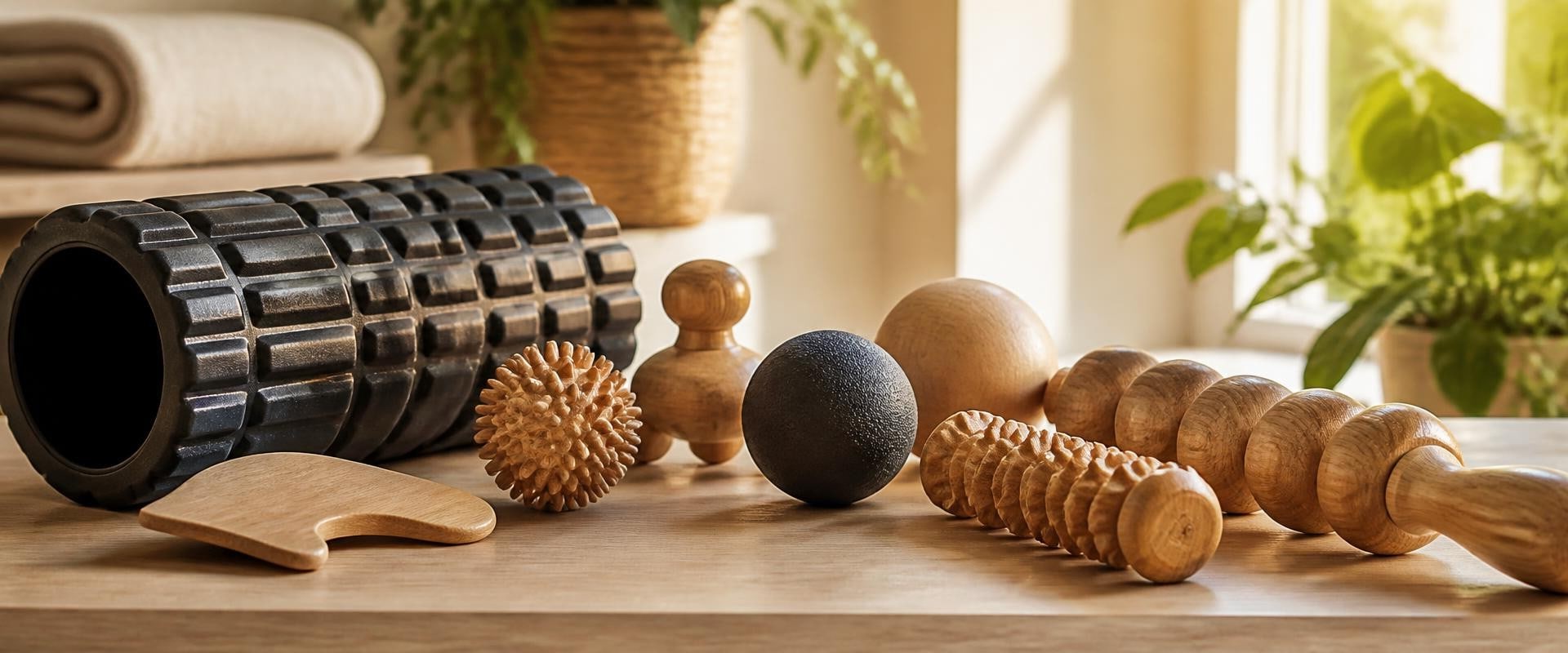
This cylindrical piece of foam can be used to target large muscle groups such as the back, thighs, and calves. By rolling over these areas, users can release muscle tightness and improve flexibility. Foam rolling works by applying pressure to sore spots, which can enhance blood circulation and promote muscle relaxation. For those who are new to foam rolling, it's important to start slowly and focus on one area at a time, gradually increasing pressure as comfort allows. Another effective self-massage tool is the massage ball.
These small, firm balls are excellent for pinpointing tight spots and trigger points in muscles. They can be used against a wall or on the floor, allowing users to apply targeted pressure on areas like the shoulders, feet, and hips. The benefits of using a massage ball include improved circulation and a reduction in muscle soreness. When using a massage ball, it's advisable to roll slowly over the affected area and pause on tight spots for several seconds to fully release tension.
Handheld massagers
offer another convenient option for self-massage.These devices come in various shapes and sizes, allowing users to reach different parts of their body with ease. Handheld massagers can be particularly beneficial for the neck, lower back, and even legs. Many models offer different intensity settings, enabling users to customize their experience according to their needs. When using a handheld massager, it’s essential to follow the manufacturer's instructions for optimal results and safety. For those seeking a more advanced option, electric massagers provide powerful relief through vibration and heat.
These devices can effectively soothe sore muscles and promote relaxation after a long day. Electric massagers often come with various attachments designed for different body parts, making them versatile tools for self-care. While these devices can significantly enhance relaxation, it's crucial to use them mindfully and avoid applying excessive pressure that could lead to bruising or injury. The benefits of incorporating these self-massage tools into your routine include not only physical relief but also mental well-being. Improved circulation can lead to enhanced recovery from workouts, while muscle relaxation can contribute to stress relief and better sleep quality.
However, it’s important to recognize that self-massage does not replace professional therapy but rather serves as an adjunctive practice. When considering whether to opt for self-massage or professional services available in Del Mar, it helps to understand the differences between them. Professional treatments such as deep tissue massage focus on deeper layers of muscle tissue and are ideal for chronic pain relief and injury recovery. In contrast, sports massages are designed for athletes looking to enhance performance or recover from strenuous activities. Self-massage tools are effective for general maintenance and immediate relief but may not address deeper issues as thoroughly as a trained therapist would. Common questions arise regarding the effectiveness of self-massage techniques.
Users may wonder if these tools truly offer lasting relief or if they are simply temporary fixes. While individual experiences may vary, many find that regular use of self-massage tools contributes positively to their overall wellness journey. To maximize benefits, it's essential to incorporate these tools into a broader self-care regimen that includes stretching, hydration, and proper rest. In conclusion, exploring the range of available self-massage tools, such as foam rollers, massage balls, handheld massagers, and electric massagers can empower individuals to manage their own wellness effectively. As noted in the Del Mar Therapeutic Massage Guide, understanding when to utilize self-massage versus seeking professional assistance is key in achieving optimal health outcomes.
When to Seek Professional Help
While self-massage can be a valuable tool for managing minor aches and promoting relaxation, there are certain scenarios where seeking professional help may be more beneficial.It is important to recognize the limitations of self-massage, especially when dealing with specific health concerns or injuries. For instance, if you are experiencing persistent pain that does not improve with self-care techniques, it is advisable to consult a licensed massage therapist. The Del Mar Therapeutic Massage Guide can serve as a helpful resource in understanding the various types of massage therapies available and their specific benefits. Another scenario where professional massage may be warranted is when you have suffered a recent injury, such as a sprain or strain. Professional therapists are trained to assess injuries and provide targeted treatment that may include specialized techniques like deep tissue or sports massage.
These therapies can facilitate recovery by addressing muscle tension and enhancing blood circulation more effectively than self-massage methods. Additionally, if you are dealing with chronic conditions such as fibromyalgia or arthritis, the expertise of a professional can make a significant difference in your treatment plan. They can tailor the massage techniques to your individual needs, ensuring that the pressure and movements are appropriate for your condition. This level of personalized care is something that self-massage often cannot provide. Finally, if you seek to enhance your overall wellness through massage therapy, engaging with professionals can offer insights into advanced techniques and modalities that may not be accessible through self-practice. The Del Mar Therapeutic Massage Guide provides valuable information on finding qualified therapists who can help you navigate these choices effectively.
Benefits of Self-Massage
Self-massage is an effective and accessible way to promote personal wellness, particularly when complemented by professional therapeutic massage services.As highlighted in the Del Mar Therapeutic Massage Guide, understanding the various massage techniques can enhance your self-care routine. One of the primary benefits of regular self-massage practices is the reduction of muscle tension. By applying pressure to specific areas of the body, individuals can alleviate tightness and soreness that often arise from daily activities or stress. Additionally, self-massage can improve circulation, which is essential for overall health. Enhanced blood flow helps deliver oxygen and nutrients to muscles, aiding in recovery and promoting relaxation.
This increased circulation can also stimulate the lymphatic system, assisting in the removal of toxins from the body. Moreover, engaging in regular self-massage practices has been shown to reduce stress and anxiety levels. The act of massaging oneself encourages mindfulness and relaxation, which can lead to improved mental well-being. Many individuals find that taking time for self-care through massage creates a sense of calm and helps them better manage daily stressors. Another significant advantage of self-massage is its potential to enhance flexibility and range of motion. By regularly working on specific muscle groups, individuals may find that they experience improved mobility, making everyday movements easier and more comfortable. Finally, incorporating self-massage into your routine can empower you to take charge of your own health.
By understanding how to relieve tension and discomfort on your own, you can complement professional treatments and maintain a balanced approach to wellness. For those interested in exploring more about therapeutic massage options available in Del Mar, the Del Mar Therapeutic Massage Guide serves as an excellent resource for understanding different types of massage therapies and their unique benefits.
Techniques for Effective Self-Massage
Self-massage is a valuable practice that can complement professional therapeutic massage services, such as those highlighted in the Del Mar Therapeutic Massage Guide. Utilizing specific tools can enhance your self-care routine and provide relief from tension and discomfort. Below are step-by-step techniques for using various self-massage tools safely and effectively.1.Foam Roller:
A foam roller is excellent for releasing muscle tightness.To use it, lie on the floor with the roller positioned under the area you want to target, such as your back or thighs. Slowly roll back and forth over the foam roller, adjusting your body weight to control the pressure. Spend about 30 seconds on each tight spot, breathing deeply to encourage relaxation.
2.Massage Balls:
Massage balls are perfect for pinpointing specific knots. Place a massage ball against the wall or on the floor, positioning it under the area of discomfort, such as your shoulders or feet.Lean into the ball gently and roll it around until you find a tender spot. Hold pressure on that spot for 15-30 seconds while breathing steadily.
3.Handheld Massager:
Handheld massagers offer versatility for self-massage. Start by turning on the device and gently pressing it against your muscles. Move it in circular motions over areas like your neck, shoulders, and lower back.Adjust the speed and intensity according to your comfort level.
4.TENS Unit:
Transcutaneous Electrical Nerve Stimulation (TENS) units can provide relief from pain. To use a TENS unit, attach the electrode pads to the area where you experience discomfort. Set the device to a low intensity at first, gradually increasing it until you feel a comfortable tingling sensation. Use for 15-30 minutes, ensuring you follow the manufacturer's instructions. By incorporating these tools into your self-care routine, you can enhance your overall wellness and manage pain effectively.For further insights into various massage techniques and their benefits, consult the Del Mar Therapeutic Massage Guide, which serves as a comprehensive resource for residents in Del Mar, CA.
Understanding Self-Massage Tools
Self-massage can be an effective way to complement professional therapeutic services, such as those outlined in the Del Mar Therapeutic Massage Guide. With a growing interest in self-care, various tools have emerged to enhance personal wellness through self-massage techniques. Understanding these tools and their specific uses can empower individuals to take charge of their own health. One popular category of self-massage tools is massage balls. These small, portable spheres are designed to target specific muscle knots and trigger points.By rolling the ball over sore areas, users can apply pressure that helps release tension and improve circulation. They are particularly beneficial for areas like the back, shoulders, and feet.
Foam rollers
are another essential tool in self-massage practices. Often used by athletes, foam rollers help to alleviate muscle soreness and improve flexibility. By applying one's body weight to the roller while it moves across muscles, individuals can perform a technique known as self-myofascial release, which helps to break down adhesions and restore optimal muscle function.Massage sticks
or rollers provide a convenient way to massage larger muscle groups like the thighs or calves.These tools consist of a series of rollers attached to a handle, allowing users to apply varying levels of pressure. They are especially useful for warming up before physical activity or for recovery afterward.
Acupressure mats
offer an innovative approach to self-massage by providing a surface covered in small spikes that stimulate pressure points when one lies on it. This method can promote relaxation and relieve stress, making it a popular choice for those seeking both physical and mental relief. Another tool gaining popularity is the handheld massager. These devices come in various shapes and sizes, often featuring multiple settings for vibration and intensity.Handheld massagers are versatile and can target specific areas of discomfort with ease, making them suitable for quick relief anywhere. Lastly, self-massage kits often include a combination of tools mentioned above, catering to different needs. These kits can provide a comprehensive approach to self-care, allowing users to experiment with various techniques and find what works best for them. By exploring the different types of self-massage tools available, individuals can enhance their understanding of personal wellness practices. For more insights on integrating these techniques with professional services, refer back to the Del Mar Therapeutic Massage Guide.Incorporating self-massage into your wellness routine can significantly enhance your overall well-being and serve as a valuable complement to professional therapeutic massage services. By utilizing effective tools for self-massage relief, individuals can address tension, promote relaxation, and improve their quality of life in a convenient and accessible manner. It's essential to understand that while self-massage offers numerous benefits, it is not a replacement for professional care.
Therefore, those seeking to delve deeper into their massage therapy options should consult the Del Mar Therapeutic Massage Guide. This resource provides insightful information about various types of therapeutic massage, helping individuals make informed decisions about their self-care practices and find local practitioners in Del Mar, CA. By embracing both self-massage techniques and professional services, you can create a holistic approach to your health that prioritizes personal wellness and pain relief.